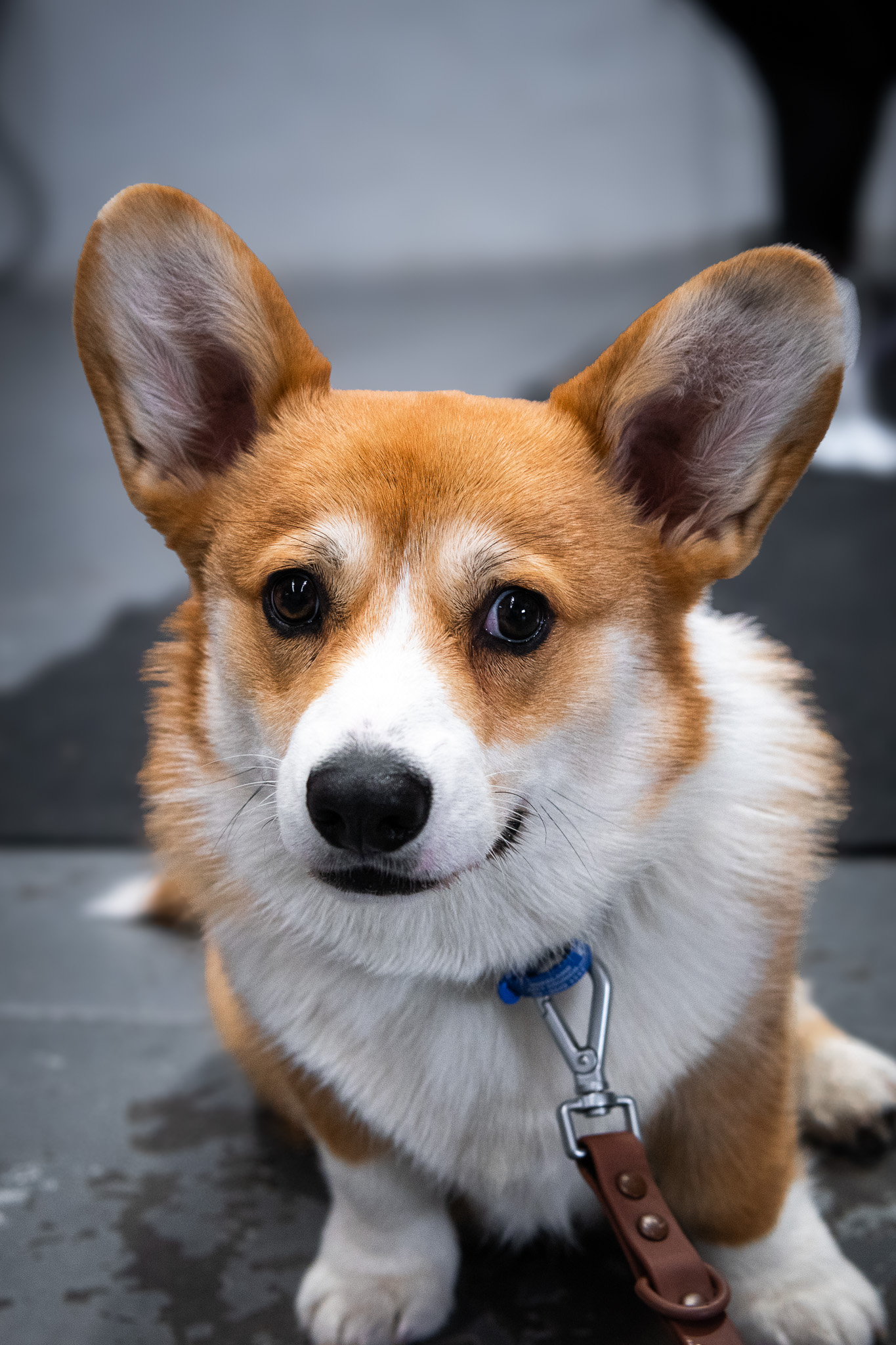
My puppy was doing so well! It’s like everything they knew has fallen out of their head?! What have I done wrong?!
Welcome to adolescence.
As puppies turn into adolescents, new challenges appear and many owners are surprised by the changes in their dogs:

Things like:
- confidence goes up and down
- things that worked before don’t seem to work now
- new and sometimes unwanted behaviours appear
- other dogs and social interactions become more interesting than anything else
- insecurity can set in
- impulsive behaviour increases
- it feels like you’re dog isn’t listening to you
But guess what – all of this is totally normal adolescent development.
What’s going on
Big neurological and hormonal changes can make it genuinely difficult for adolescent dogs to think clearly and make good decisions
This stage can feel overwhelming, which is why adolescence is often one of the most challenging periods for dog owners.
Understanding this stage and supporting them through it will make it easier for everyone.

Survival strategies
You can help your adolescent by temporarily lowering expectations and focusing on management, relationship-building, and setting your dog up to succeed.
A few simple strategies include:
- Using a long line at the park instead of taking them off lead if their recall is shaky.
- Reduce interactions with new people and dogs if greetings have become unpredictable or rough.
- If you’ve put the crate away, it can be helpful to bring it back, so they know they have a safe place to retreat to.
- Emphasise decompression activities instead of novelty.
- Use meals in training or even hand feeding meals to improve focus and reinforce obedience skills.
- Play, play, play! There’s nothing like play for building confidence and strengthening your relationship.
Actively supporting dogs through adolescence works much better than simply waiting for them to grow out of it.
With time and patience this phase will pass, and you’ll start to see a glimpse of the adult dog they’re going to be.
If you’re in Melbourne, consider joining our group classes for ongoing support.